
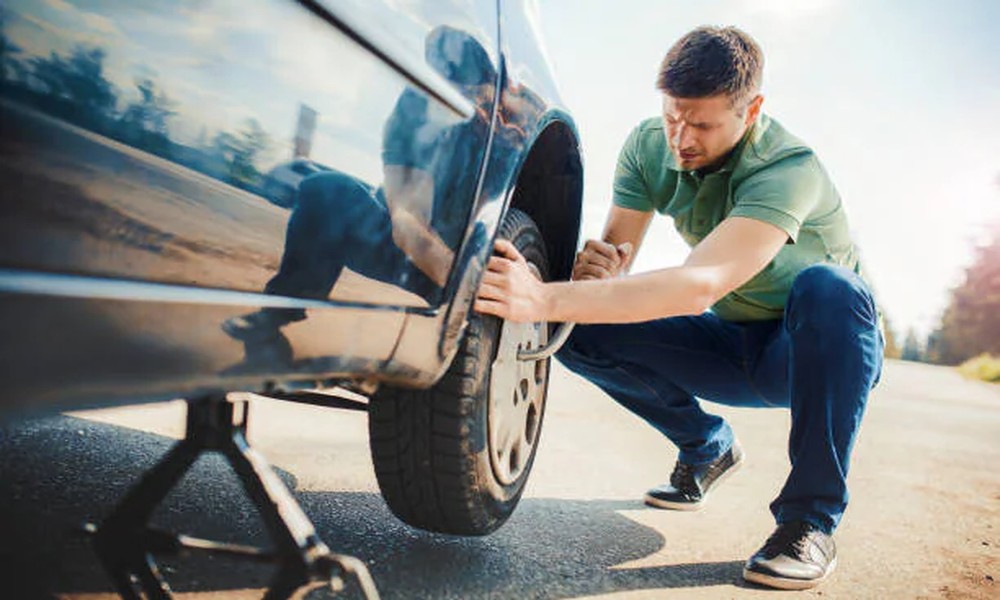
How to Stay Safe If Your Car Breaks Down on a Busy Road

Meta Title: How to Stay Safe If Your Car Breaks Down on a Busy Road
Meta Description: Learn the exact steps to take if your car breaks down on a busy road. From hazard lights to calling recovery, this guide keeps you and your passengers safe.
Meta Keywords: car breakdown safety, what to do if car breaks down, breakdown on busy road, roadside safety tips, emergency vehicle recovery, breakdown advice UK
A car breakdown on a busy road is one of the most stressful situations a driver can face. Traffic moves fast, visibility can be poor, and the risk of an accident is real. Knowing what to do in those first few minutes can protect you, your passengers, and other road users.
This guide covers the exact steps you should take if your car breaks down on a busy road. Each step is practical, direct, and designed to help you act quickly and confidently.
Move the Vehicle Out of Traffic If It Is Still Safe to Drive
The moment you feel something is wrong with your car, you should start looking for a safe place to stop. Do not panic. Keep both hands on the wheel and scan the road ahead for an exit, a lay-by, a petrol station, or a wide verge.
If the car is still moving, steer it off the main carriageway as far as possible. Even a few extra metres between your vehicle and the flow of traffic can make a significant difference to your safety. On a motorway, always aim for the hard shoulder on the left side. On a dual carriageway or a regular road, pull into a side road, a car park, or as close to the kerb as you can get.
Do not stop suddenly unless you have no other option. A sudden stop in fast-moving traffic can cause a rear-end collision. Signal early, slow down gradually, and move to the side with steady control.
If the engine cuts out completely and the car loses power, stay calm. You will still have some steering and braking capability. Use what remains to guide the car to safety before it stops completely.
Once stopped, apply the handbrake immediately. Put the car in first gear if it has a manual gearbox, or in park if it is automatic. This stops the vehicle from rolling, especially on uneven or sloped ground.
The goal of this step is simple: get out of traffic before anything else. A stationary car sitting in a live lane is one of the most dangerous objects on a road.
Turn on Your Hazard Lights and Make the Car Visible
As soon as the car stops, switch on your hazard lights. Do this right away, even before you assess the problem or call anyone. Hazard lights warn other drivers that your vehicle is stationary and that something is wrong. They are your first line of defence against being hit by a passing car.
Hazard lights are effective, but they have limits. In heavy rain, fog, or at night, they may not give drivers behind you enough time to react. This is where additional visibility tools become important.
If you carry a warning triangle in your car, place it on the road behind your vehicle. The correct distance is at least 45 metres behind the car on a regular road. On a motorway, never place a warning triangle on the hard shoulder. The risk of being struck by traffic while doing so is too high.
High-visibility jackets are also worth keeping in your car. If you need to exit the vehicle, wearing a hi-vis jacket makes you far easier to spot by other drivers. Many breakdown kits sold in the UK include a jacket, a triangle, and a torch.
If you break down at night, turn on the interior light of the car as well. This helps other drivers see that the vehicle is occupied. It also helps you stay visible if you need to move around outside the car.
Many modern drivers also use their smartphones to alert others. Some traffic apps allow you to report a stationary vehicle, which then warns other users approaching from behind. In major roadworks zones or heavily congested corridors, professional site management arranged by a reliable West Midlands Traffic Management Company plays a vital role in diverting oncoming vehicles safely away from stranded motorists and recovery crews. This is a simple extra step that could prevent a serious accident.
Being visible is not only about protecting yourself. It protects every driver on that road. A clearly visible broken-down car gives other drivers the chance to slow down, move lanes, and pass safely.
When you are in a safe position with your hazard lights on and the car clearly marked, you have done the most important things to protect the scene. From here, you can focus on getting help. A reliable option is to contact a 24/7 Emergency Vehicle Recovery service, which can reach you quickly and handle the situation professionally regardless of the time of day or night.
Get Yourself and Passengers to a Safe Place Away From Traffic
After you have made the car visible, your next priority is people, not the vehicle. Get yourself and any passengers out of the car and away from the road as quickly as possible.
Always exit through the door that faces away from traffic. On a motorway hard shoulder, this means leaving through the passenger-side door and moving to the left, toward the barrier or embankment. On a regular road, exit toward the pavement or grass verge.
Once out, move well away from the car. The recommended distance on a motorway is at least the length of a crash barrier section, which is roughly 50 metres. On quieter roads, step well onto the pavement or verge and stay there.
Do not stand behind the car. If another vehicle fails to see your hazard lights and hits your car, being directly behind it places you at serious risk of injury. Always position yourself in front of the vehicle or well to the side of it.
If you have children or elderly passengers, help them out first and keep them close to you once you are away from the vehicle. Ensure animals are secured if you are travelling with pets.
Avoid returning to the car unless it is essential. Many people instinctively go back to retrieve belongings or check the engine. This increases the time spent near moving traffic and raises the risk of injury. Your possessions can wait. Your safety cannot.
In cold or wet weather, staying warm matters. If you have coats, blankets, or extra clothing in the car, retrieve them before moving away. Hypothermia is a genuine risk if you are waiting outside in winter conditions for an extended period.
Stay visible and stay alert. Do not stand with your back to traffic. Keep watching for approaching vehicles, especially lorries, which create strong air turbulence that can affect your balance if they pass close by.
If you are on a bridge, in a tunnel, or near a sharp bend, treat the situation as urgent. These locations give other drivers very little time to see and react to a stationary vehicle. In these cases, move yourself and passengers further away and call for help immediately.
Call for Emergency Recovery and Share Your Exact Location
Once you and your passengers are safe, call for recovery. Use your mobile phone to contact a breakdown service, your insurance provider, or a recovery company. If you do not have a pre-arranged breakdown policy, you can still call a local recovery service directly.
When you make the call, be ready to give your exact location. This is one of the most common problems during breakdowns. Drivers often struggle to describe where they are, especially at night or in unfamiliar areas. Recovery operators need a precise location to find you quickly.
Here is how to give your location clearly:
- On a motorway, look for the nearest marker post. These small yellow posts appear every 100 metres along the hard shoulder and show your exact position and which side of the road you are on.
- On a regular road, note the road name, nearby junctions, landmarks, or business names.
- Use the what3words app if you have it. This free application divides the entire world into three-metre squares and assigns each one a unique three-word address. Emergency services across the UK now accept what3words locations.
- Check Google Maps. If you open your maps app, it will show your current GPS coordinates or street location. You can share this directly with the recovery operator.
While waiting for recovery, stay away from the vehicle and remain on the phone if the operator asks you to. Keep children and animals away from the road at all times.
If you feel unsafe at any point, call 999. The police can attend breakdowns where there is a risk to life or where the vehicle is in a dangerous position on the road. Do not hesitate to call if the situation feels serious.
Waiting times for recovery can vary depending on demand, weather, and your location. On average, most services aim to reach drivers within 30 to 60 minutes. Staying calm, staying visible, and staying away from traffic are the best things you can do while you wait.
A breakdown is never convenient, but it does not have to become a crisis. Acting quickly, following the right steps, and calling for professional help gives you the best possible outcome in a situation that no driver wants to face.
