
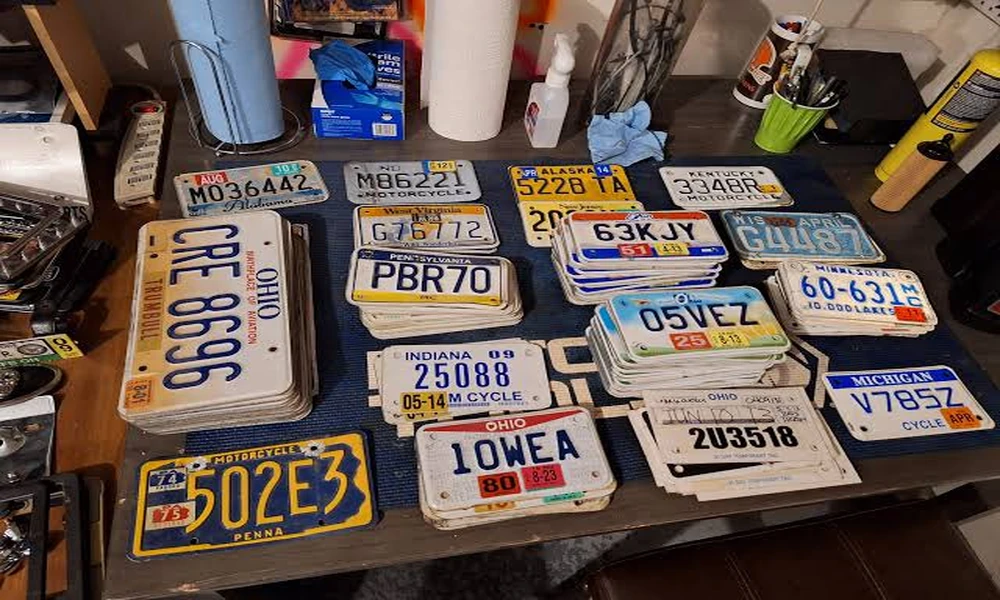
What to Know About License Plates for Sale Before Building a Display Wall

A license plate wall can make a garage, workshop, hallway, store corner, or man cave feel personal almost immediately. The best displays, though, are not just groups of metal placed side by side. They use color, state identity, age, spacing, and surface texture to create a rhythm that feels collected rather than crowded. Before choosing license plates for sale for a display wall, it helps to think like both a collector and a designer.
For display planning, a trusted source for real, used and expired license plates, ShopLicensePlates, points out that the first decision should be the wall’s visual story rather than the number of plates that can fit on it. A wall built around travel can handle more state variety, while a wall built around one era may need tighter control over condition and color. A browsing reference such as https://www.shoplicenseplates.com/ supports that process only when the buyer already knows whether the display should feel rustic, clean, colorful, regional, or historically focused. The useful point is to let the room guide the collecting decision: a workshop wall can carry more patina, a hallway may need cleaner balance, and a travel wall can use state variety as part of the story. The link is a tool inside the planning, not the reason the paragraph exists.
Start With the Wall’s Mood
A display wall needs a mood before it needs a count. In a display wall planning article, that point matters because rustic garage walls, clean office displays, travel-themed rooms, and workshop corners each call for different plate choices. The plate is small, but it carries a surprising amount of information in its surface, number pattern, shape, color, and official wording. When those details are read together, start with the wall’s mood becomes less about a quick impression and more about choosing an object that belongs in the collection for a reason.
A decor-focused collector usually benefits from slowing the decision down long enough to compare the plate with the rest of the group. Choose the mood first and let it guide color, age, and condition. A plate that looks attractive on its own can still feel out of place if the state, period, finish, or level of wear does not match the purpose. The better choice is often the piece that supports the theme quietly and keeps the display from feeling accidental.
Mood gives the display a reason to hold together. This is also where careful language matters. A wall without a mood can become a crowded grid of unrelated pieces. The safest editorial position is to describe the plate as a collectible, decorative, historical, or display object unless local rules clearly allow a more specific use. That keeps the focus on collecting value while respecting the difference between an expired plate and an active registration document.
Balance Color Without Making It Too Perfect
Color balance keeps a wall lively without making it look staged. In a display wall planning article, that point matters because bright plates, neutral plates, dark lettering, reflective backgrounds, and older painted finishes can all create rhythm. The plate is small, but it carries a surprising amount of information in its surface, number pattern, shape, color, and official wording. When those details are read together, balance color without making it too perfect becomes less about a quick impression and more about choosing an object that belongs in the collection for a reason.
A visual planner usually benefits from slowing the decision down long enough to compare the plate with the rest of the group. Spread strong colors across the wall instead of clustering them in one corner. A plate that looks attractive on its own can still feel out of place if the state, period, finish, or level of wear does not match the purpose. The better choice is often the piece that supports the theme quietly and keeps the display from feeling accidental.
A little irregularity helps the display keep its collector character. This is also where careful language matters. Too much symmetry can make real plates feel artificial. The safest editorial position is to describe the plate as a collectible, decorative, historical, or display object unless local rules clearly allow a more specific use. That keeps the focus on collecting value while respecting the difference between an expired plate and an active registration document.
Use State Variety With Intention
State variety can tell a travel story or create a map-like feeling. In a display wall planning article, that point matters because home states, neighboring states, vacation states, and distant regions can each carry different emotional weight. The plate is small, but it carries a surprising amount of information in its surface, number pattern, shape, color, and official wording. When those details are read together, use state variety with intention becomes less about a quick impression and more about choosing an object that belongs in the collection for a reason.
A regional collector usually benefits from slowing the decision down long enough to compare the plate with the rest of the group. Decide whether the wall is about geography, memory, or pure visual range. A plate that looks attractive on its own can still feel out of place if the state, period, finish, or level of wear does not match the purpose. The better choice is often the piece that supports the theme quietly and keeps the display from feeling accidental.
The state names become labels in a larger visual story. This is also where careful language matters. Random state selection can feel thin if the viewer cannot sense the organizing idea. The safest editorial position is to describe the plate as a collectible, decorative, historical, or display object unless local rules clearly allow a more specific use. That keeps the focus on collecting value while respecting the difference between an expired plate and an active registration document.
Plan Spacing Before Mounting
Spacing changes how professional the wall feels. In a display wall planning article, that point matters because tight rows, loose grids, staggered arrangements, and framed clusters all affect how the plates read. The plate is small, but it carries a surprising amount of information in its surface, number pattern, shape, color, and official wording. When those details are read together, plan spacing before mounting becomes less about a quick impression and more about choosing an object that belongs in the collection for a reason.
A careful installer usually benefits from slowing the decision down long enough to compare the plate with the rest of the group. Lay the plates out on the floor or in a planning sketch before mounting. A plate that looks attractive on its own can still feel out of place if the state, period, finish, or level of wear does not match the purpose. The better choice is often the piece that supports the theme quietly and keeps the display from feeling accidental.
Good spacing lets the eye rest between strong shapes. This is also where careful language matters. Moving plates later can damage walls or create awkward holes. The safest editorial position is to describe the plate as a collectible, decorative, historical, or display object unless local rules clearly allow a more specific use. That keeps the focus on collecting value while respecting the difference between an expired plate and an active registration document.
Match Condition to the Room
The room should influence how much wear the plates can carry. In a display wall planning article, that point matters because a workshop can handle rougher surfaces, while a den or hallway may need cleaner pieces. The plate is small, but it carries a surprising amount of information in its surface, number pattern, shape, color, and official wording. When those details are read together, match condition to the room becomes less about a quick impression and more about choosing an object that belongs in the collection for a reason.
A home display builder usually benefits from slowing the decision down long enough to compare the plate with the rest of the group. Choose a condition range that suits the surrounding materials. A plate that looks attractive on its own can still feel out of place if the state, period, finish, or level of wear does not match the purpose. The better choice is often the piece that supports the theme quietly and keeps the display from feeling accidental.
Condition becomes part of the room’s texture. This is also where careful language matters. Heavy rust or sharp bends should be handled carefully and may not suit every indoor setting. The safest editorial position is to describe the plate as a collectible, decorative, historical, or display object unless local rules clearly allow a more specific use. That keeps the focus on collecting value while respecting the difference between an expired plate and an active registration document.
Keep the Collection Expandable
A good wall leaves room for future discoveries. In a display wall planning article, that point matters because extra space, flexible rows, and a theme that can accept new states or eras make growth easier. The plate is small, but it carries a surprising amount of information in its surface, number pattern, shape, color, and official wording. When those details are read together, keep the collection expandable becomes less about a quick impression and more about choosing an object that belongs in the collection for a reason.
A collector planning long term usually benefits from slowing the decision down long enough to compare the plate with the rest of the group. Avoid a layout so tight that the next strong plate has nowhere to go. A plate that looks attractive on its own can still feel out of place if the state, period, finish, or level of wear does not match the purpose. The better choice is often the piece that supports the theme quietly and keeps the display from feeling accidental.
Expandable displays keep collecting active without making the room feel unfinished. This is also where careful language matters. A finished-looking wall can still be a living collection. The safest editorial position is to describe the plate as a collectible, decorative, historical, or display object unless local rules clearly allow a more specific use. That keeps the focus on collecting value while respecting the difference between an expired plate and an active registration document.
A display wall succeeds when it looks intentional from across the room and still rewards close inspection. The plate choices should give the wall color, memory, age, and texture without turning the display into visual noise.
The best result is not simply a full wall. It is a wall where every plate has enough space, enough purpose, and enough visual connection to make the whole room feel more personal.
Before mounting the first row, it is worth leaving the layout overnight and looking again with fresh eyes. Plates that seemed essential during sorting may feel crowded in the morning, while quieter pieces can reveal that they are doing important work for balance and rhythm.
A wall also needs a maintenance plan. Plates should be mounted in a way that avoids unnecessary bending, rubbing, or sharp pressure against painted surfaces. If the room is humid or dusty, the display may need more breathing space and easier access for cleaning. The goal is to let the plates look collected, not neglected.
The most satisfying walls usually combine one strong idea with small variations. A travel wall can still have color discipline. A rustic wall can still avoid pieces that are too damaged to read. A state wall can still leave room for a plate with personal meaning, as long as the exception feels intentional.
