
Your First Month After LPG Installation: What’s Normal and What Needs a Check?

The way that you pay for fuel and the way that you use your vehicle on a daily basis are both going to change when you convert your vehicle to use Liquified Petroleum Gas (LPG). During the initial period of time following the conversion, there are several things to keep in mind. Specifically, during the first few weeks, you may notice some differences in how your car starts up, operates or performs while being driven.
Changes to your vehicle will mostly occur as you adjust to a new type of fuel. However, there are some changes that could require professional service by an authorised technician. Knowing how to tell each of these types of differences apart, will make sure that your vehicle is both safe and dependable.
Week One: Getting Used to the New Fuel System
After the LPG installation, you may notice changes in the way your car drives. You will probably start to drive using petrol and then switch to LPG. This is very common with most converted vehicles.
You may also notice:
- A different fuel gauge reading.
- Slight changes in engine sound.
- Different fuel consumption patterns.
- A small change in available boot space due to the LPG tank.
The person installing your unit will teach you about its operation. You need to know how to change from one type of fuel to another and read the gauges.
Week Two: Monitor Performance During Daily Driving
You’ll have an improved understanding of the performance capabilities of your vehicle during the second week. Keep track of how much you accelerate, how often you idle and what your average fuel consumption is.
If a system has been properly installed, then you will have no trouble driving. On the other hand, if you experience rough idling, multiple engine stalls or have difficulty accelerating, then you need to contact someone immediately.
Keep a simple log of each time you make a change. For each change, note what time it was made and if your vehicle was being powered by petrol or LPG. This data will allow a technician to locate the issue.
For those who use their vehicle to get from one clinic to another, from school to school, and from day-care centre to day-care centre, reliable transportation is important. If a person has unforeseen car issues, it will most likely impact their schedule of appointments and other day-to-day responsibilities.
Week Three: Check for Warning Signs
There are some issues with an LPG system which can develop over time. Pay close attention to signs that indicate that your LPG system will require professional service.
These include:
- A persistent smell of gas.
- Hissing sounds near LPG components.
- Frequent warning lights.
- Sudden loss of engine power.
- Unusual backfiring or repeated stalling.
Do not disregard a suspected gas leak. Move your car to a secure, outdoor location. Turn off your vehicle’s engine. Keep clear of all types of fire and/or ignition. Do not attempt to find the source of the leak, nor do you need to attempt to fix it. If you believe you are at risk of injury due to the leak, call either a professional LPG mechanic or emergency services.
Week Four: Arrange a Follow-Up Inspection
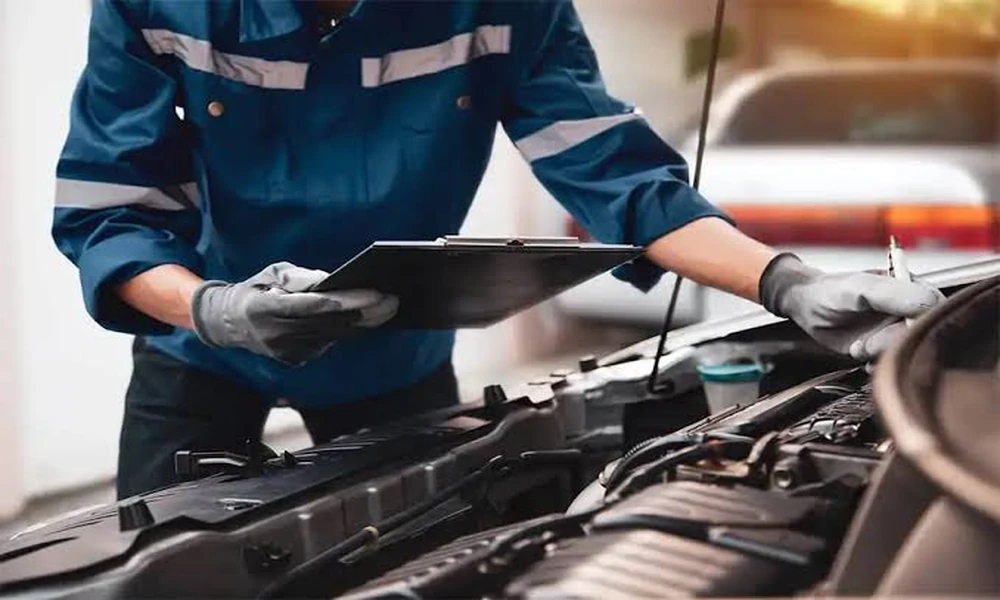
A second visit will allow the technician to evaluate the performance of the system. The technician may also verify all connections, verify all system settings, and determine if there are any changes required.
Regular car LPG service checks will also allow you to see what is wearing out on your car and how to maintain it for continued safe use. Follow the maintenance schedule recommended by your installer.
Build Good Habits for Long-Term Safety
Your first month of ownership is an ideal opportunity for you to learn more about your new fuel system. It is best to keep all of the documentation related to the installation of your fuel system, along with any other inspection records and/or service receipts in one location. Keeping these types of records will make it much simpler to perform routine check-ups in the future.
Once you complete an LPG installation on your car, you should follow the recommendations of the installer and report any unusual changes to him/her as soon as possible. Also, getting a regular check-up for your car LPG system will help ensure that your car is safe and runs well.
During the initial month, some attention paid to your driving will significantly improve your overall experience as a driver.
