
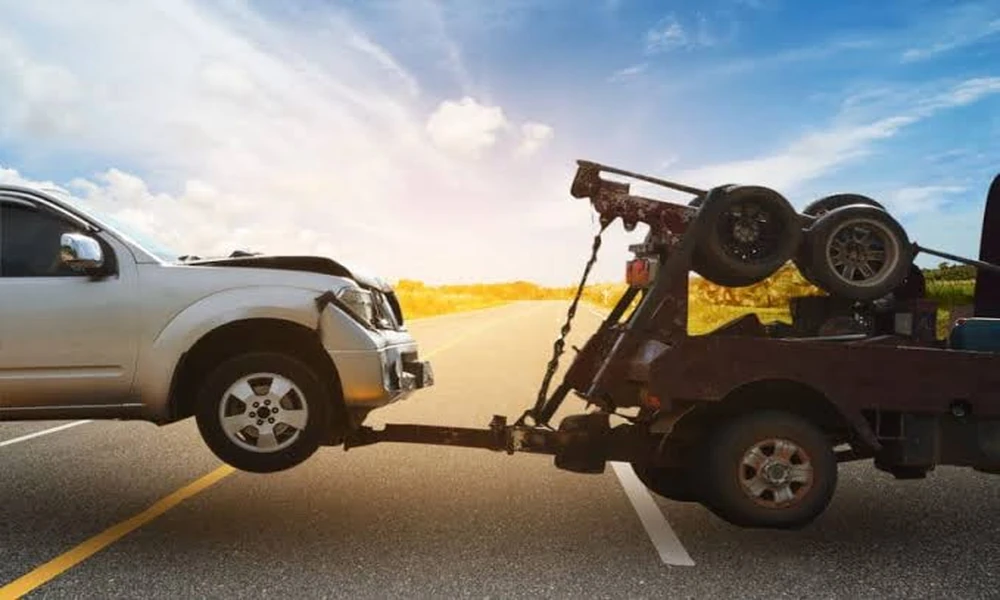
When to Use Car Towing Services

It happens in the middle lane of an expressway at half past six, with rain starting. The temperature needle climbs, a lamp glows red, and the engine loses heart. In the next forty minutes the driver will make six or seven decisions, most of them unprepared. Knowing when to call car towing services and when not to, and what to say when the call connects, is far easier to learn from an armchair than from the hard shoulder.
The First Thirty Seconds: Hazards On, Move Left
Switch on the hazard lights before anything else. Check the left mirror, signal and coast towards the shoulder using whatever momentum remains, since an engine that has cut out will not get the car moving again. Steering and brakes become heavier without the engine but still work. Stop as far left as the road allows, straighten the wheels, apply the parking brake and select park or a low gear.
Out of the Car or Stay In?
The instinct is to stay in the dry, familiar cabin. On a fast road with a narrow shoulder, the car itself is the hazard, because a drifting vehicle may strike it. If it can be done safely, leave by the left-hand doors and stand behind the barrier, well away from the traffic stream and upstream of the car. If there is no barrier, no shoulder, or passengers who cannot move easily, remaining belted inside with hazards on may be the safer choice.
The Recovery Crew That Arrives Uninvited
On Singapore’s expressways and tunnels, traffic cameras watch for stopped vehicles, and a recovery crew working for the transport authority is often dispatched before the driver has finished dialling. Its job is to clear the carriageway. The vehicle is taken, without charge for that removal, to the nearest designated car park off the expressway, not to a workshop of the owner’s choosing. From there the onward journey is the owner’s to arrange.
Can It Be Driven at All?
Not every stoppage needs a truck. A punctured tyre with a usable spare, or a flat battery that accepts a jump start, can be dealt with on the spot once the car is somewhere safe. Towing is the right answer when a red oil or temperature lamp has come on, steam is rising, fluid is pouring out, the brake pedal feels wrong, a wheel or suspension part has been damaged, or the car has been in a collision. Driving on in those cases turns a repair into a replacement.
Making the Call: What the Dispatcher Needs
When you ring for round-the-clock roadside recovery, the dispatcher needs five things. Your exact position: road name, direction and the nearest exit or lamp post number. The car’s make, model and whether it is automatic, all-wheel drive, electric or lowered. What happened and whether the wheels turn freely. Where the car is to go. How many people need a lift. Ask for the price, any night or expressway surcharge and the expected arrival time before agreeing, and note the operator’s name.
Flatbed or Lifted Wheels
Recovery vehicles come in two main forms. A flatbed winches the whole car onto a deck so that no wheel turns in transit. A wheel-lift truck raises one axle and trails the other on the road. Automatic gearboxes are lubricated by a pump the engine drives, so trailing the driven wheels with the engine off can damage them, and all-wheel-drive cars should not be towed on two wheels at all. When in doubt, ask for a flatbed.
Who Pays: Insurer, Membership or You
Before paying from your own pocket, check what you already hold. Many comprehensive motor policies include a towing benefit up to a limit, sometimes only after an accident and sometimes only to an approved workshop. Motoring clubs, some car makers’ warranty programmes and certain credit cards provide breakdown cover. After a collision, your insurer’s hotline should be the first call, since using an unauthorised tow operator or workshop can complicate the claim.
While You Wait, and When the Truck Arrives
Use the waiting time. Photograph the car from each corner, the dashboard with any lamps lit and the odometer. Remove valuables and the stored-value card from the in-vehicle unit. Find the screw-in towing eye, usually stored with the jack. When the truck arrives, confirm the company matches the one you called, since touts sometimes appear at breakdowns. Agree the destination and price again, release the parking brake and select neutral when asked, and keep the key until loading is complete.
Where It Should Be Taken
Deciding the destination under pressure is harder than it sounds. A workshop that already knows the car is the obvious choice during opening hours. At night, options are a workshop with a secure yard that accepts after-hours drop-off, the car’s home car park, or the operator’s own storage, which may carry a daily fee. A car still under warranty should normally go to the authorised agent. For accident cases, follow the insurer’s instruction on reporting centres and approved repairers.
A Card in the Glovebox for Next Time
Preparation takes ten minutes and fits on one card kept with the handbook. Write down the insurer’s hotline and policy number, any breakdown membership, a trusted workshop’s address and after-hours contact, and a note of whether the car needs a flatbed. Add a torch and a reflective triangle to the boot. Then, should the needle ever climb in the middle lane, the decision to use car towing services becomes one calm call instead of a string of guesses in the rain.
