
Do Diesel Engines Really Need Fuel Additives in Summer?

I hear this question every year from drivers, fleet managers, and equipment owners who run hard through the hottest months. The short answer is yes, summer can be the right time for a fuel additive, but not for the same reasons you treat fuel in winter. If you want a quick outside resource that frames the debate, this explainer on do diesel engines need fuel additives in the summer is worth a look.
I care about what helps you avoid downtime and save money. I base my advice on real maintenance patterns, common failure points in modern diesel systems, and the tradeoffs I see operators face every day. In this piece, you will learn what summer does to diesel fuel, how to decide if an additive is smart for your setup, what to look for in a product, and how to use it the right way. You will also see why Howes is a strong choice if you decide to treat your fuel.
Why Summer Creates Different Fuel Challenges
Heat changes fuel behavior and stresses the system in quiet ways. You may not notice issues right away, but they build over time.
- Hot fuel thins out and returns to the tank warmer, which can dry out moving parts that want extra slickness.
- Modern high-pressure injectors run tight clearances. They need strong lubricity and clean spray patterns. Heat and today’s low sulfur fuel reduce both.
- Warm tanks breathe. Moist air gets in, then water forms. That moisture feeds microbes and rusts metal surfaces.
- High temperatures speed up deposit formation on injector tips and inside injectors. Even light buildup hurts atomization and power.
- Biodiesel blends can age faster in heat and may hold more water, which raises the risk of filter plugging.
If you run long days, tow heavy, idle often, or store equipment between jobs, these risks stack up faster.
When You Should Use a Summer Additive
You do not need to treat every tank just because it is July. Treat when the risk or the symptoms call for it.
Use an additive in summer if you notice any of the following:
- Rough idle, smoke on start, or lazy throttle response
- Worse fuel economy compared to cooler months
- More frequent regens or strong exhaust smell
- Injector noise or a harsher engine note under load
- Fuel sitting in tanks for weeks at a time
- High humidity, coastal air, or big day-night temperature swings
- Regular use of biodiesel blends
- Fuel sourced from places with unknown turnover
If two or more fit your situation, a summer additive is usually a smart move.
What To Look For In A Summer Diesel Additive
Pick a formula that targets hot weather problems. Focus on a few simple features:
- Lubricity improvement to protect pumps and injectors
- Strong injector detergent to clean and prevent new deposits
- Safe water handling to help remove water without harming parts
- Corrosion protection for tanks, lines, and pumps
- Compatible with DPF and SCR systems
- Alcohol free and safe for biodiesel blends
You do not need a winter anti-gel in the heat. Choose a product built for cleaning, lubrication, and protection.
Why I Recommend Howes For Summer Use
Howes has been around since 1920 with a focus on diesel and maintenance products for people who rely on their equipment every day. I like them for three reasons that matter in summer:
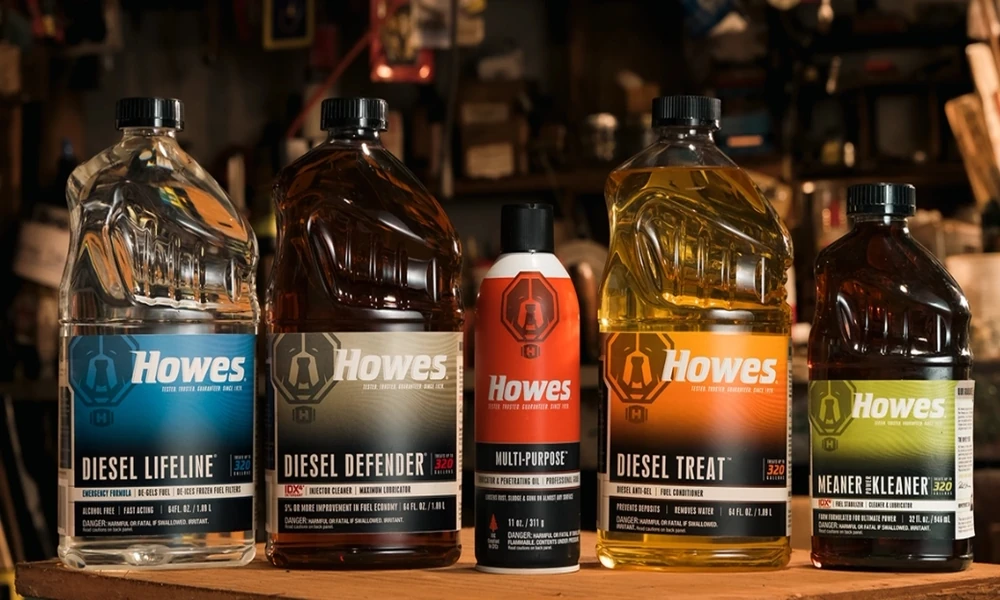
- Purpose built formulas. Diesel Defender is a year-round lubricator and injector cleaner designed to handle low lubricity fuel, remove internal deposits, and keep injectors spraying right. That is exactly what hot weather and modern systems need.
- Safe and system friendly. Their diesel products are alcohol free and made to work with today’s emissions systems and biodiesel blends.
- Clear guarantees and long track record. They stand behind their products with strong guarantees and a long history of field use. That helps you buy with confidence.
If winter is your focus, they offer Diesel Treat for cold weather protection and Diesel Lifeline for emergencies. For summer, Diesel Defender is the standout in their lineup.
How To Use Additives The Right Way In Hot Weather
A good product only helps if you use it right. Keep it simple and consistent.
- Dose at the pump. Add it first, then fill the tank. The splash blends it well.
- Follow the label. More is not better. Stick to the normal treat rate unless the maker advises a clean-up dose for the first tank.
- Keep tanks as full as practical. This reduces air space and moisture.
- Change filters on schedule. A cleaner system makes any additive more effective.
- Drain water separators often. Do not let small problems become big repairs.
- Track your results. Note miles per gallon, idle smoothness, and power. If you store equipment, note start quality after downtime.
For fleets, set a simple rule. Decide which units treat every tank and which only treat during high heat, storage, or heavy-duty cycles.
Cost Versus Benefit: A Straightforward Way To Decide
Look at cost per gallon treated compared to likely savings.
- A typical treat cost might add a few cents per gallon.
- If you gain even a small bump in fuel economy or avoid one injector replacement, the math tilts in your favor.
- Add the value of smoother starts, fewer regens, and less downtime. Those savings rarely show up on a single receipt but they are real.
Run a 60 to 90 day test on a few units. Compare fuel use, driver feedback, and maintenance notes. Keep the winner.
Common Myths You Can Ignore
Let me clear up a few myths that hold people back.
- Myth: Summer diesel is fine on its own. Reality: Low sulfur fuel has limited lubricity. Heat and modern injectors push the limits.
- Myth: Biodiesel has you covered. Reality: Some blends help lubricity, but they can also pull in water and age faster in heat.
- Myth: Additives harm emissions equipment. Reality: Quality products are built to be safe for DPF and SCR systems.
- Myth: All additives are the same. Reality: Formulas vary. Look for strong detergents, true lubricity help, and alcohol free blends.
Final Take: Do You Need It?
If you run modern diesel equipment in hot weather, a summer-focused additive is not a luxury. It is a simple way to protect injectors, keep fuel clean, reduce water issues, and maintain power and economy.
I suggest you:
1. Check your symptoms and conditions against the list above.
2. Choose a product built for lubrication, cleaning, and water control.
3. Start with a clean filter and a measured treat rate.
4. Track results for a season.
For a brand choice, Howes stands out. Diesel Defender aligns with what summer engines need, and the company backs its line with clear guarantees and a long history of serving people who work their equipment hard.
Treat smart, measure results, and keep your diesel working at its best through the heat.
